

They invest in SEO. In campaigns. In visibility. The website gets visitors, rooms are viewed, prices are checked. Everything seems to be going well. And yet, at the end, this strange feeling remains: Why don’t so many guests book?
The uncomfortable answer is often: the problem isn’t the traffic. It’s what happens afterward. Because many hotel websites lose their guests precisely where interest should turn into a booking: during the booking process, between the calendar, room selection, and “Book Now.”
It happens more quietly than you might think. No guest writes an email with the subject line: “Your booking form was too complicated for me.” They simply disappear. Click back. Keep comparing. Are gone. And sometimes, surprisingly little is all it takes.
Three additional steps
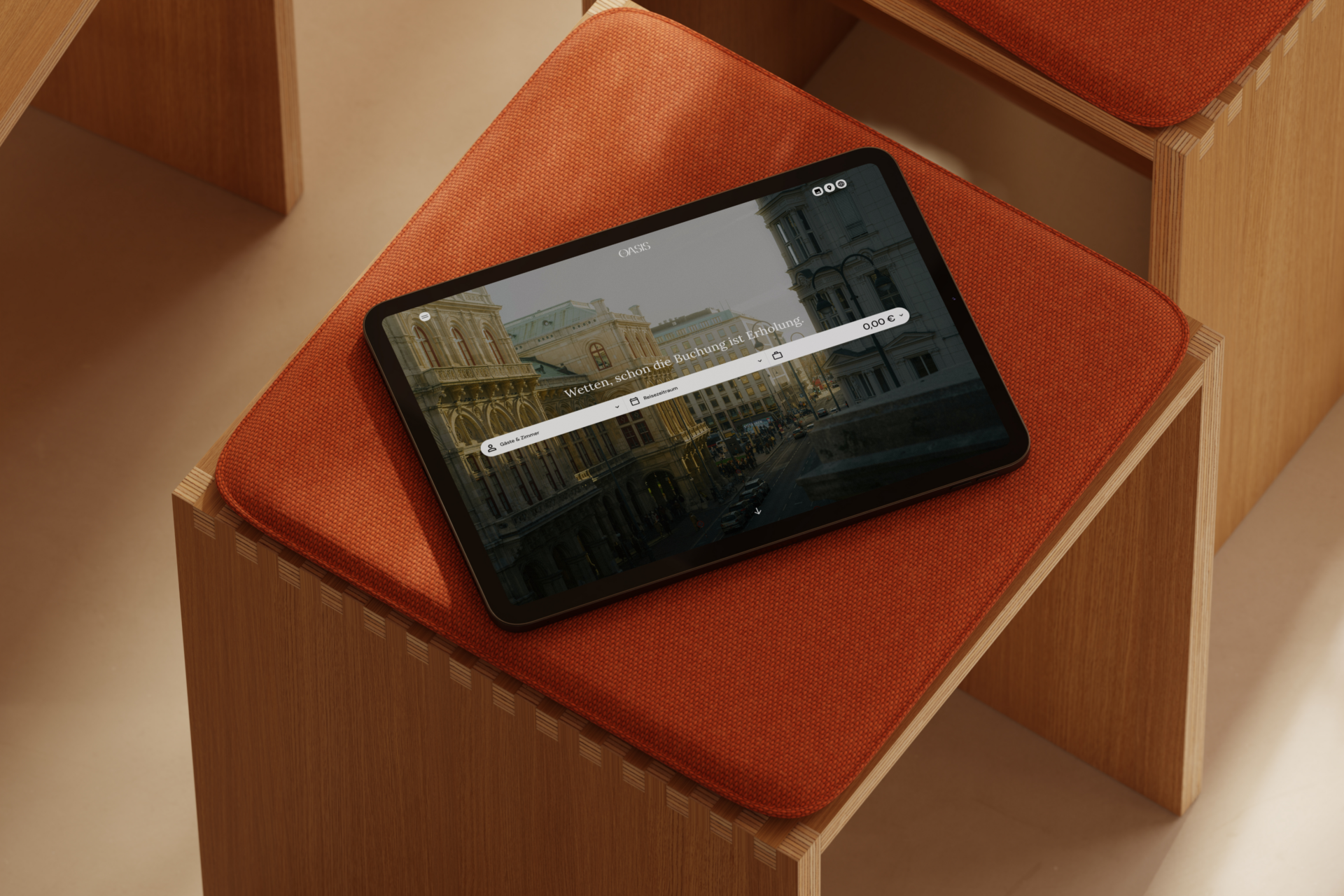
Ein Preis, der erst spät verständlich wird. Ein Formular, das sich am Smartphone anfühlt wie Steuererklärung auf dem Fahrrad. Der Gast war längst überzeugt. Nur der Weg dorthin nicht. Genau deshalb ist eine Booking Engine weit mehr als Technik. Sie ist Rezeption, Verkaufsmitarbeiter und Bauchgefühl zugleich. Sie entscheidet darüber, ob sich ein Gast abgeholt fühlt oder abgefertigt.
Many systems still seem as if they were built for processes, not for people.
Online booking used to often involve a small test of patience: Name. Address. Credit card. Next page. Another page. And somewhere in between, the quiet hope that the guest would persevere.
Today, something else is more important:
How quickly does a guest understand what they’re getting?
How little thought do they have to give?
How natural does the next click feel?
This is especially noticeable on mobile devices. No one is sitting with coffee and time in front of a large screen. Bookings are made between the train platform and dinner. With one hand. On the side. Perhaps even with poor reception. And that’s precisely where many hotels are losing bookings. Not because the hotel itself isn’t appealing.
But because the booking process creates small obstacles that, in total, become too significant.
Too many clicks.
Unclear pricing.
No real availability.
Too little trust at the crucial moment.
No emotional confirmation that you’re making the right decision.
The interesting thing is that often just small changes are enough to suddenly create a completely different experience.
A streamlined booking process. Prices that are instantly understandable. Quick availability checks. A process that needs no explanation because it feels intuitive.
Where conversion occurs
Then something exciting happens: The guest stops thinking about booking and focuses solely on the anticipation. And that’s precisely where conversion occurs. Many hotels still underestimate the power of this lever. They optimize campaigns, budgets, and reach, even though the real revenue loss often happens right on their own website. More visitors alone rarely solve the problem.
In keeping with the idea that a good hotelier only knows guests, not users.Ganz im Sinne von: Ein guter Hotelier kennt nur Gäste. Keine User.
If you’d like to know how your booking engine is currently performing, it’s worth taking a closer look at your existing solution. We’d be happy to help you identify opportunities and make the most of them.